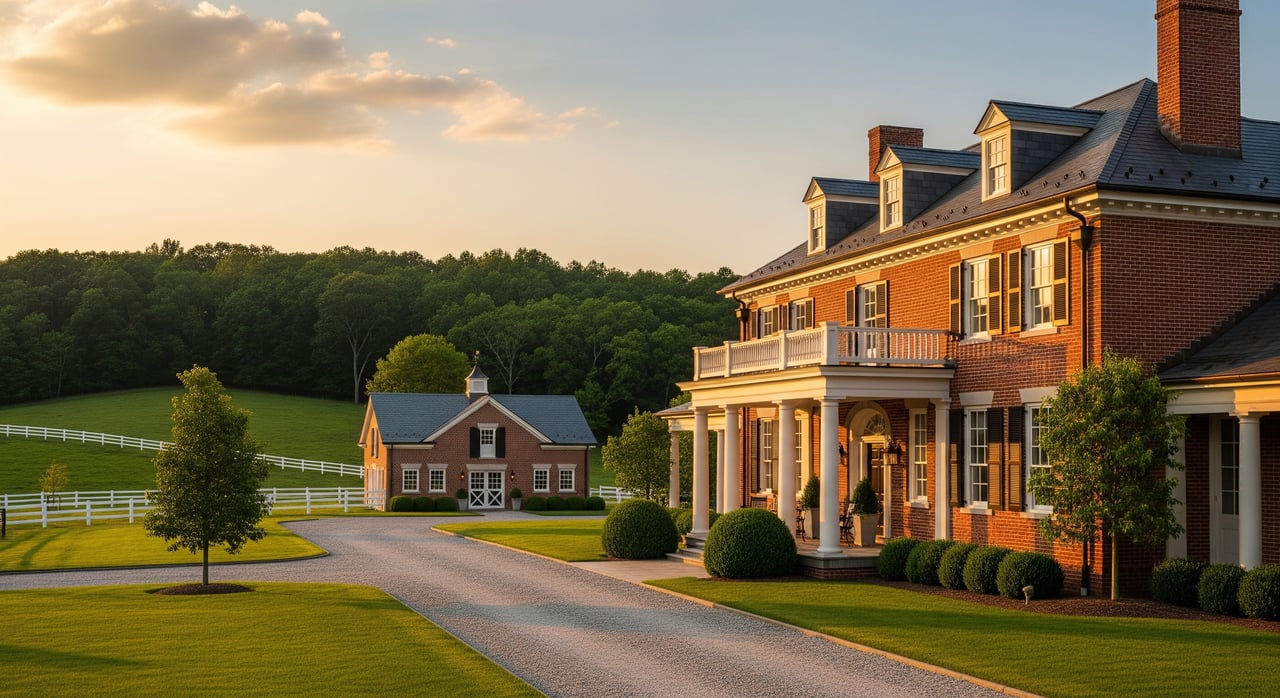
What It’s Like To Live In Walton County, GA
February 5, 2026
February 5, 2026
Craving more space and a calmer pace without giving up access to Atlanta’s jobs and amenities? If you’re exploring Walton County, you’re not alone. Many buyers come for the small-town feel, larger lots, and growing conveniences. In this guide, you’ll get a straightforward look at housing, commutes, schools, healthcare, parks, and how daily life actually feels. Let’s dive in.
Walton County sits east of Atlanta in north-central Georgia. The county seat is Monroe, with other hubs like Loganville, Social Circle, and smaller towns such as Between and Good Hope. It is commonly considered part of the greater Atlanta metro, so many residents commute to job centers in Gwinnett, DeKalb, and the City of Atlanta.
The area has grown over the past two decades. You’ll see a mix of new subdivisions and preserved rural land. For up-to-date population and household trends, check the U.S. Census Bureau’s QuickFacts.
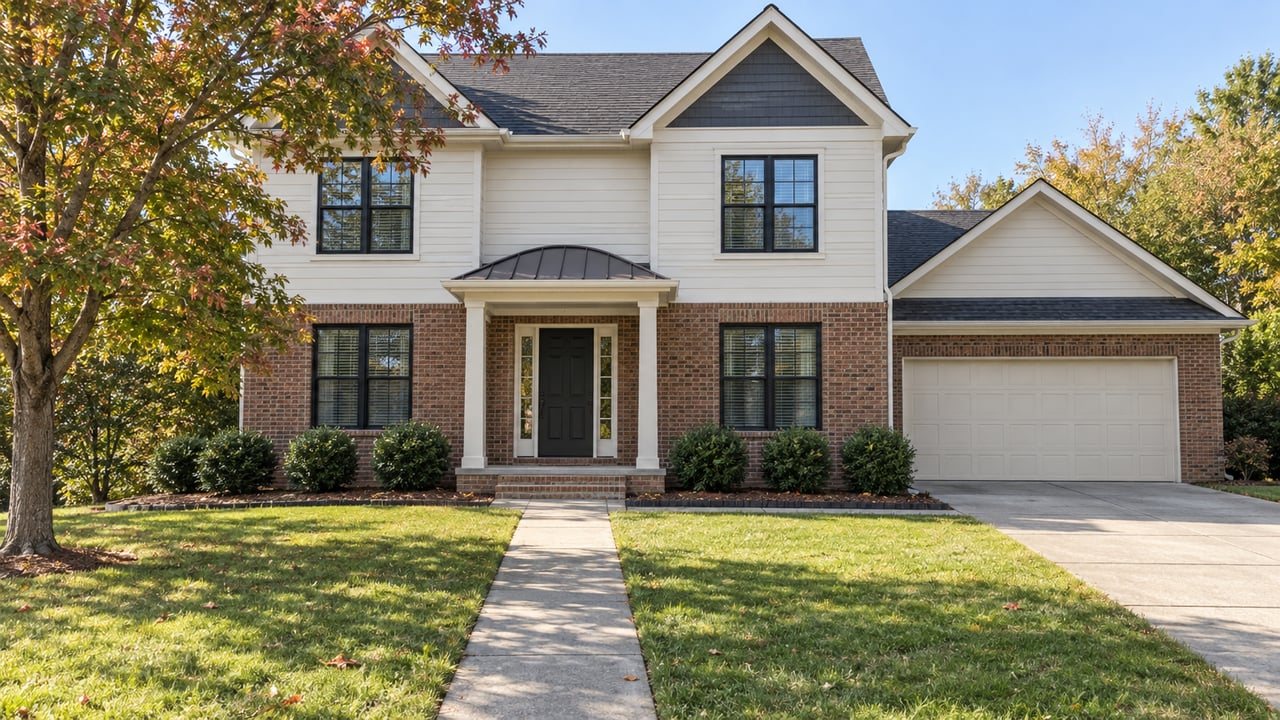
Walton County often offers more space for the price than inner-suburban areas closer to Atlanta. Prices have risen with regional demand, so timing and neighborhood selection matter. In subdivisions, expect more compact lots and HOA amenities. Outside town, you’ll trade proximity to shops for privacy, land, and a quieter setting.
Walton County is largely car-dependent. MARTA rail does not serve the county, and regional bus options are limited. Most residents drive to jobs and errands. Walkability improves in historic downtowns and planned subdivisions with sidewalks.
Many residents commute toward Gwinnett, DeKalb, and Atlanta. Travel times are typically longer than in the inner suburbs, especially at peak hours. For current travel-to-work statistics, use the Census Bureau’s QuickFacts, and for traffic projects and major routes, check the Georgia Department of Transportation (GDOT).
Most students attend the Walton County School District. Some municipalities may have separate systems or arrangements, so attendance zones can vary by address. Review boundary maps and programs on the Walton County School District’s official site, and explore performance data on the Georgia Department of Education’s report cards. Private and faith-based options are available in and near the county.
You’ll find local hospital services, urgent care, and primary care in the county, with larger specialty centers in nearby Gwinnett and the Atlanta area. If a specific provider or specialty matters to you, map out drive times and availability before you decide on a neighborhood.
Monroe and Loganville are primary retail hubs, with grocery stores, dining, and services. For bigger-box shopping or specialty retailers, many residents drive to nearby counties. Utilities vary: municipal water and sewer are common in town, while rural areas more often use septic and well systems. Broadband coverage differs by neighborhood, so verify providers for your address.
You’ll find community parks, athletic fields, and walking trails throughout the county. Nearby state parks, including destinations like Fort Yargo, are popular for hiking, fishing, and boating. For options and maps, start with Georgia State Parks’ official site.
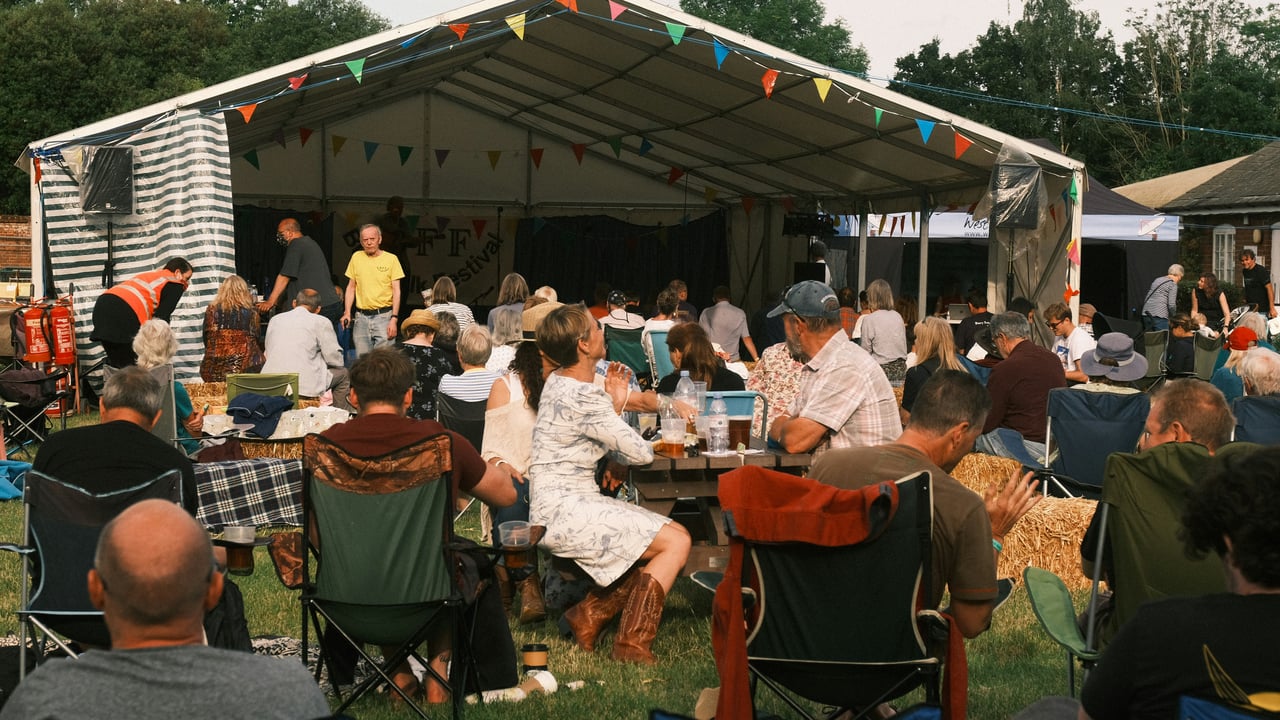
Monroe and Social Circle feature historic downtown districts with local shops, restaurants, and seasonal events. Community calendars often include farmers markets, holiday parades, concerts, and fairs. Expect an active local scene that ramps up in spring and fall.
Walton County blends long-time residents with newcomers seeking value and space. You’ll feel a small-town, community-oriented pace, where school activities, local sports, and civic groups bring people together.
Buying or selling in Walton County is about more than a house. It’s commute time, school zoning, utility access, and neighborhood character. As a Monroe-based Realtor with hometown roots in Campton and a track record of more than $78M in sales and hundreds of successful closings, I help you weigh the trade-offs clearly, price with confidence, and move with a plan. Whether you need a turnkey home near town, a new-build with amenities, or acreage for privacy, you’ll get responsive guidance and professional marketing that puts your goals first.
If you’re ready to compare neighborhoods, preview new listings, or map the commute before you commit, let’s talk. You can start your search or request a market snapshot with Realtor Josh Parker.



Let Josh handle the details while you focus on your next move. Call today and make your real estate journey seamless!
224 N Hammond Dr Monroe GA 30655