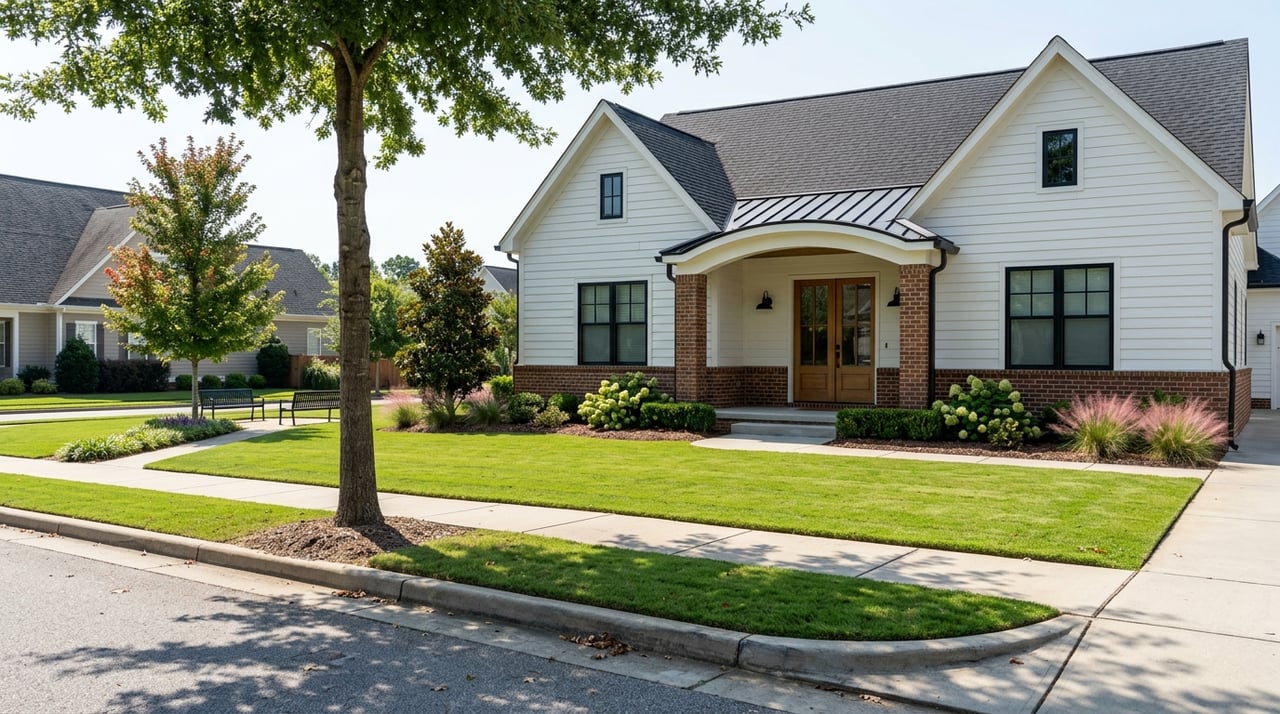
If you are searching for a home in Gwinnett County, it is easy to focus on square footage, finishes, and price. But for many buyers, the features outside the front door matter just as much. The right neighborhood amenities can shape your daily routine, affect long-term resale, and help you feel more confident in your decision. Let’s look at the amenities Gwinnett County buyers often prioritize and how to weigh them for your lifestyle.
Why Amenities Matter in Gwinnett
In many Gwinnett County home searches, convenience competes directly with house size. According to the National Association of Realtors 2023 community and transportation survey, 79% of respondents said walkability was very or somewhat important, and 78% said they would pay more for a walkable community. That tells you many buyers are thinking beyond the home itself.
The same survey found that walkable access to shops and restaurants ranked ahead of a large house, a large yard, and a short commute among community priorities. In a county as large and varied as Gwinnett, that is especially relevant. Some buyers still want more space, but many are willing to trade a little lot size for better daily access and easier routines.
Gwinnett County is also planning for more connected living. Its Comprehensive Transportation Plan focuses on a safer, better-connected mobility network with improved access to employment centers, public amenities, and neighboring communities. That county-level focus helps explain why connectivity-related amenities continue to stand out.
Sidewalks and Trails Stand Out
One of the first things many buyers compare is whether a neighborhood has sidewalks that are actually useful. NAR found that 50% of survey respondents said sidewalks and places to take walks were very important, and 41% said being within an easy walk of community amenities was very important. For many households, that means being able to walk the dog, get outside after work, or enjoy a more connected neighborhood feel.
In Gwinnett County, trails are a major part of that conversation. The county says Gwinnett Trails includes more than 145 miles of multi-use paths, with more than 50 miles designated as National Recreation Trails. Ongoing projects like the Ivy Creek Greenway expansion and the Eastern Regional Greenway trailhead show that trail access continues to grow.
That does not mean every home near a trail feels the same in daily life. When you tour neighborhoods, it helps to ask whether the sidewalk or trail network gives you practical access or simply looks nice on a map. A decorative sidewalk loop is different from a network that connects to parks, trailheads, or nearby destinations.
Parks and Green Space Add Everyday Value
Green space is another feature that can make a neighborhood more appealing over time. Gwinnett County says it has 50 award-winning parks and greenspaces across more than 10,000 acres. The county park system includes trails, playgrounds, dog parks, aquatic facilities, and passive open-space parks.
That variety matters because not every buyer uses amenities the same way. Some people want easy access to walking trails and open green space. Others care more about sports fields, tennis courts, or recreation programming through Gwinnett Parks and Recreation.
From a resale standpoint, parks and green space are also easy for future buyers to understand. These are amenities tied to everyday use, and they are hard to recreate later if a neighborhood does not already have them nearby. In many cases, that makes them more durable than trend-based features inside the home.
Pools and Clubhouses Need a Cost Check
Pools are often one of the most visible neighborhood amenities in Gwinnett County. Outside HOA communities, Gwinnett Parks and Recreation operates five year-round aquatic centers and four seasonal pools. Inside planned communities, pools and clubhouses are also common shared features.
According to NAR’s consumer guide to HOAs, HOA dues commonly help cover landscaping, routine maintenance, neighborhood upkeep, shared amenities, and reserves. The same guide notes that shared facilities such as pools and clubhouses are among the common reasons buyers choose these communities.
The key question is not just whether a neighborhood has a pool. It is whether you will use it enough to justify the recurring cost. If a pool, clubhouse, and maintained common areas support your lifestyle, the HOA fee may feel worthwhile. If not, you may prefer a neighborhood with fewer shared amenities and lower monthly obligations.
Highway Access Still Matters
Not every buyer wants a highly walkable setting. In a county shaped by major travel corridors, highway access remains a strong convenience feature. NAR found that 34% of respondents said easy access to highways was very important, while 40% said short commute length was very important.
In Gwinnett, that helps explain why areas near I-85, I-985, and Highway 316 continue to attract buyers. The county’s 2045 planning framework identifies these corridors as infrastructure-rich parts of Gwinnett that are targeted for more multimodal transportation and redevelopment. That can make corridor access a practical advantage for buyers balancing commuting time with housing options.
At the same time, convenience can come with tradeoffs. Some corridor areas may have heavier traffic or less pedestrian infrastructure today. The same planning framework notes challenges in places like the Jimmy Carter Boulevard corridor, including limited safe pedestrian infrastructure and limited open spaces, while also outlining plans for sidewalks, bike lanes, transit options, and new gathering spaces.
HOA Amenities and Resale Potential
Amenity-rich communities can also support marketability when it is time to sell. According to NAR’s HOA resource page, a well-managed community with useful amenities and shared spaces may have above-average property values. NAR also reports that 89% of homeowners in HOAs believe the rules protect and enhance property values.
That does not mean every HOA is automatically the better choice. Fees, restrictions, and management quality all matter. A neighborhood pool sounds appealing, but buyers should still review what the dues cover, how reserves are handled, and whether the amenities are maintained in a way that supports the cost.
When you think about resale, it helps to focus on features future buyers are likely to value quickly. Sidewalks, trail connections, nearby parks, and practical access to major routes tend to be easier to market because buyers can picture themselves using them right away. In many Gwinnett neighborhoods, those convenience features can compete directly with a larger lot or a more isolated setting.
How to Compare Amenities Smartly
If you are weighing two or three neighborhoods in Gwinnett County, it helps to compare amenities through the lens of daily use. A feature only adds value to your life if it works for your routine.
Here are a few smart questions to ask as you compare options:
- Does the HOA fee cover a pool, clubhouse, landscape maintenance, sidewalk upkeep, or reserve funding?
- Is the sidewalk or trail network useful for real daily walking, or mostly decorative?
- Does highway access improve your commute enough to offset traffic or a less walkable setting?
- Which amenities are permanent and difficult to add later?
- Which amenities will you realistically use every week?
That last question matters more than most buyers realize. Features tied to everyday routines often deliver the strongest long-term value because they support both your lifestyle now and your home’s appeal later.
What Many Buyers Prioritize Most
While every household is different, the strongest amenity categories in Gwinnett often come back to a few practical themes:
- Walkability and sidewalks for routine outdoor use
- Trail access for recreation and connection
- Parks and green space for flexibility and long-term appeal
- Pools and shared facilities when the cost matches your lifestyle
- Highway access for commute convenience
The right mix depends on how you live. Some buyers want a neighborhood that feels active and connected. Others want easier driving access and are comfortable giving up some walkability. The goal is to choose a location where the surrounding features support your life, not just the listing photos.
If you want help comparing neighborhoods, weighing HOA tradeoffs, or narrowing down the right fit in Gwinnett County, Realtor Josh Parker can help you make a confident move with local insight and straightforward guidance.
FAQs
What neighborhood amenities do Gwinnett County buyers usually want most?
- Many buyers focus on sidewalks, trail access, nearby parks, pools or clubhouses in some communities, and convenient access to major highways.
Why is walkability important to Gwinnett County homebuyers?
- NAR survey data shows walkability is a high priority for many buyers, and in Gwinnett it can improve daily convenience and make a neighborhood more appealing over time.
Are HOA amenities in Gwinnett County worth the cost?
- HOA amenities can be worth it if you use them often and the dues clearly cover maintenance, shared spaces, and reserves in a way that matches your budget.
Do Gwinnett County parks and trails affect home appeal?
- Yes, access to parks, trails, and green space can make a neighborhood easier to enjoy day to day and easier to market to future buyers.
Is highway access a major factor for Gwinnett County buyers?
- Yes, many buyers still value access to I-85, I-985, and Highway 316 because commute convenience remains an important part of the home search.
How should you compare amenities between Gwinnett County neighborhoods?
- Compare them based on daily usefulness, long-term maintenance, HOA cost, and whether the feature is difficult to replace in a future move.