Trying to decide between a brand-new home and a resale in Newton County? You are not alone. Many buyers weigh shiny finishes and warranties against location, price flexibility, and character. In a market where options range from entry-level communities to established neighborhoods near Covington, it pays to compare the full picture before you choose. In this guide, you will see costs, timelines, warranties, HOA fees, taxes, commute considerations, and a simple decision framework so you can move forward with confidence. Let’s dive in.
Newton County market at a glance
Recent snapshots from major market trackers put Newton County’s median prices in a broad range, generally from the high $200s to the low-to-mid $300s. That variation is normal since each source uses different inputs. Inventory and days on market have been shifting month to month, with many portals showing median days often in the 50 to 70 range.
You will find active new-construction supply in multiple price bands. Many quick-move-in and community builds list in the mid $300s to $400s, with larger or higher-finish homes reaching the $600k range. Resale options cover a wide spectrum too, from update-ready homes that invite sweat equity to well-kept properties in established neighborhoods.
New construction: what you get
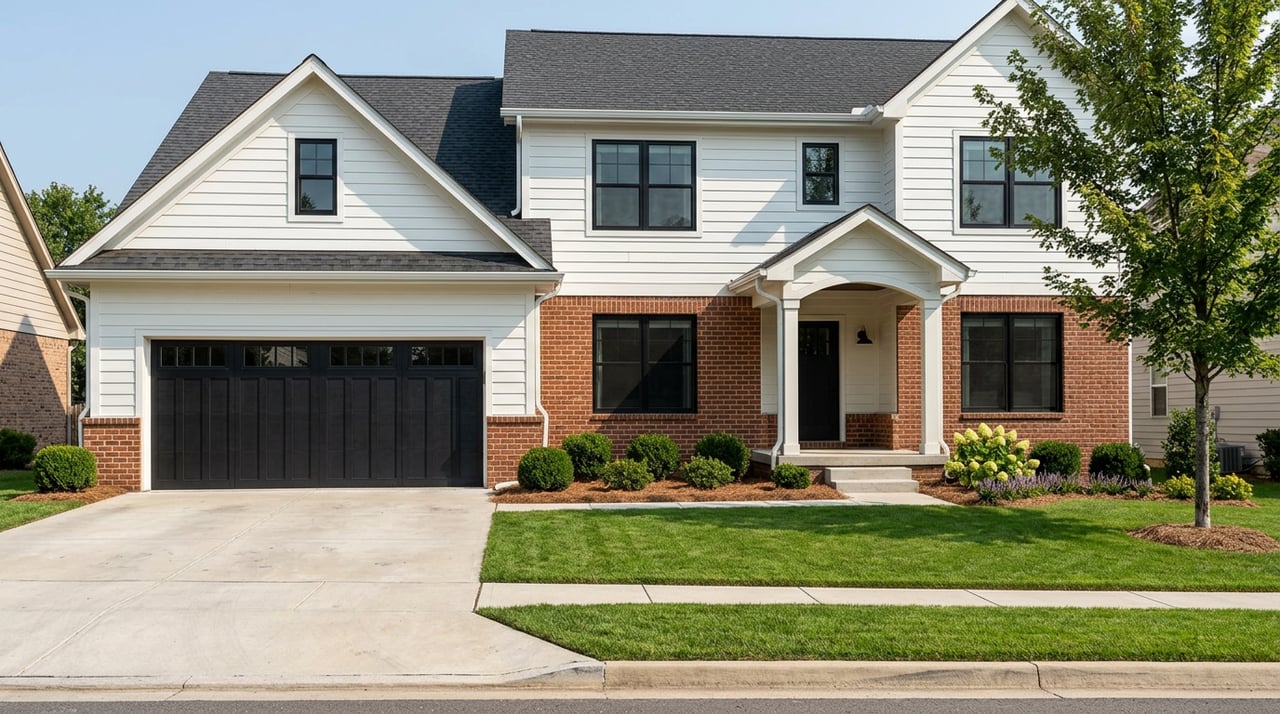
New construction gives you modern systems, current codes, and a clean slate. Many new homes are built to today’s energy standards, which can lower utility and maintenance costs compared with older properties. National building science resources note consistent efficiency advantages for modern construction, but actual savings depend on the home’s systems and how you use them. See typical energy performance benefits in the Department of Energy’s Building America resources on new-home construction practices.
Most builders offer limited warranties that follow a common “1-2-10” structure. That often means one year for workmanship, two years for major systems like plumbing and electrical distributions, and ten years for structural coverage. Always read the exact warranty contract to confirm coverage and who backs it. For a quick primer on structure and limits, review this overview of typical builder warranty terms.
New-build timelines vary by situation:
- Quick-move-in/spec homes can often close within a few weeks once construction is near completion and financing is cleared.
- Building from a plan typically takes many months. National benchmarks commonly place many single-family builds in the 8 to 12 month range, with custom projects taking longer depending on scope. Learn more in this guide to custom home timelines.
Because inspections by the city or county check minimum code standards only, do not skip your own inspector. Independent phased inspections at the foundation, pre-drywall, and final stages help catch workmanship issues early. Here is a concise look at why phased inspections on new builds are worth it.
Resale homes: what you get
Resale properties can deliver a lower entry price or more room to negotiate, especially if the home needs updates. You may also find established neighborhoods, mature landscaping, and closer-in locations that shorten your drive.
Plan for a full inspection and set aside funds for near-term repairs. Older roofs, HVAC systems, or dated kitchens and baths can add to first-year costs. A standard home inspection plus any needed specialty checks is still the smart move. Here is why even experienced buyers benefit from a thorough inspection process on existing homes.
If you need to move quickly, resale often wins. Once your offer is accepted, mortgage-backed purchases commonly close in about 30 to 45 days, depending on lender underwriting, appraisal, title, and escrow. Cash purchases can close faster.
Location and commute considerations
In Newton County, much of the new subdivision growth follows major corridors. If you commute toward Atlanta, plan around I-20 and rush-hour variability. Non-peak drives from the Covington area into Atlanta can be roughly 35 to 45 minutes, while rush hours often add significant time. For your planning, test your exact route and schedule using a commute estimator or this reference for Covington-to-Atlanta drive times.
Resale homes closer to downtown Covington or in established neighborhoods may reduce the drive and offer quicker access to services. If a shorter commute is a top priority, map out options during the times you normally travel before you write an offer.
Price and what’s included
- New construction often carries a price premium that reflects the lot, new systems, and included finishes. Many builders also bundle landscaping and appliance packages, which can simplify your first-year spend.
- Resale homes may list for less at a similar size or location, but you might face sooner replacement cycles for HVAC, roof, or water heater. Factor those items into your total cost of ownership, not just the purchase price.
Financing and builder incentives
You can finance both new and resale homes with conventional, FHA, VA, or USDA loans. For a ground-up build, some buyers use construction-to-permanent financing. Not every lender offers these products, so start your lender search early.
Many builders continue to offer incentives, such as closing cost credits, design-center allowances, or rate buydowns. These offers are often tied to using the builder’s preferred lender, so compare the long-term impact before you commit. This article explains how builder incentives and buydowns work and what to watch.
HOAs, taxes, and recurring costs
New subdivisions in Georgia are more likely to have HOAs, and dues can vary widely based on amenities. National surveys show many single-family communities fall somewhere around the $100 to $400 per month range. Always review covenants, budgets, and any history of special assessments before you buy. This primer outlines common HOA fee patterns and considerations.
For taxes, Newton County’s public notice lists the County M&O millage at 8.567 mills for 2025. Your annual property tax depends on the assessed value and any applicable exemptions. You can review the current millage and recent digest history in the county’s five-year tax notice. For accurate budgeting, estimate taxes once you have a specific address and value range.
Local process steps for Newton County
- Permits and inspections: If you build or finish a new home, confirm the county’s permit and inspection process early. Newton County publishes applications, scheduling rules, and contact details online. Get familiar with the steps here: Newton County Building Permits & Inspections.
- Builder documents: Ask for the full purchase contract, standard features list, upgrade pricing, construction milestones, warranty paperwork, and any incentive conditions tied to preferred lenders.
- Resale due diligence: Order a home inspection and termite report, and confirm utility and sewer or septic status. If there is an HOA, request covenants and financials to check reserves.
- Schools: To understand school assignments for a specific property, consult Newton County Schools for current enrollment and boundary information. Start on the district’s new student registration and resources page.
Maintenance, energy, and long-term costs
Budgeting for upkeep is part of smart ownership. A common planning range is 1 to 3 percent of the home’s value per year for maintenance and repairs, with older homes often requiring more. New construction’s code-level insulation, windows, and HVAC can lower early utility and repair spending. For context on how build quality and systems influence efficiency, see the DOE’s guidance on modern new-home practices.
On a new build, remember that warranties have limits and time windows. Use your final walk-through to note items and submit warranty claims promptly. On a resale, use inspection findings to negotiate repairs or credits so you enter homeownership with eyes open and a plan.
Decision guide: new vs resale
Choose new construction if you want:
- Modern systems, energy-efficient features, and builder warranties.
- The ability to pick finishes or floor plans within a community’s options.
- Fewer early maintenance surprises, even if you pay a premium.
- A quick move-in for spec homes or a longer build timeline for a tailored plan.
Choose resale if you want:
- A lower entry price or more room to negotiate.
- Established neighborhoods and potentially shorter commutes.
- Immediate occupancy after a typical 30 to 45 day closing window.
- The option to add value over time with updates and renovations.
Your next step
Whether you lean new or resale, the best choice aligns with your budget, commute, and timing. If you want help pricing out real options, reviewing HOA and tax impacts, or comparing incentives side by side, you can get local, data-backed guidance and a streamlined process with Realtor Josh Parker. Let’s map your priorities, tour the best fits, and get you home.
FAQs
How long does a new build take in Newton County?
- Many single-family builds finish in about 8 to 12 months depending on the plan, permitting, weather, and builder capacity. See typical build timelines in this custom home guide.
What builder incentives are common right now?
- Builders often offer closing-cost credits, design allowances, and rate buydowns, sometimes tied to a preferred lender. Compare the total loan cost before you decide. Here is how builder incentives work.
Are HOA fees typical for new communities in Newton County?
- Many newer subdivisions use HOAs, with dues often somewhere around $100 to $400 per month depending on amenities and services. Review covenants and budgets early. See common HOA fee patterns.
How do Newton County property taxes affect my payment?
- The county’s 2025 M&O millage is 8.567 mills. Your actual annual tax depends on assessed value and exemptions. Review the county’s five-year tax notice and run estimates for the specific address.
Should I inspect a new construction home?
- Yes. Municipal inspections check basic code compliance, but a buyer-hired inspector can perform phased checks to catch workmanship issues early. Learn why phased inspections matter.
What commute can I expect from Covington to Atlanta?
- Non-peak drives can be about 35 to 45 minutes, while rush hours often extend beyond an hour. Test your exact route and time using this Covington-to-Atlanta commute reference.