Downtown Monroe Lost Four Restaurants in Six Weeks. Here's What Replaced Them.
August 20, 2026
August 20, 2026
New Year's Eve 2025 came and went, and Mal's Krazy Krab posted the kind of message nobody wants to read from a favorite spot: closing permanently, effective immediately. It was Monroe's only dedicated seafood restaurant. Within days, The Roe announced the same thing, and so did Campton Restaurant. By the time Your Local News ran the story on January 7, the headline covered all three at once: three storefronts, gone in a matter of days, right as downtown Monroe was supposed to be starting a new year.
Six weeks later, on February 9, a fourth domino fell. The Thirsty Moose, the sports bar and grill on North Broad that had opened with simulator games and TVs tuned to whatever game was on, served its last plate and closed for good.
Four restaurants. One winter. If you only read the headlines, downtown Monroe looked like it was losing its footing. Walk down Broad Street or Lumpkin Street today, in the middle of August, and that's not what you'll find. What actually happened is more interesting than a decline: the churn landed almost exactly inside the six weeks a year when downtown Monroe has the least going on, and the storefronts that filled the gap did it before the town's calendar ever picked back up.
It's worth being specific about what closed, because these weren't interchangeable restaurants. Each one occupied a different lane, and losing all four at once briefly emptied out three distinct kinds of dining that downtown had relied on.
Closed | What it was | Closed |
|---|---|---|
Mal's Krazy Krab | Monroe's only dedicated seafood spot | Dec. 31, 2025 |
The Roe | Market-concept restaurant in a restored historic building, also home to The Table Coffee Shop | Early Jan. 2026 |
Campton Restaurant | Home-style dining | Early Jan. 2026 |
The Thirsty Moose | Sports bar and grill with simulator games | Feb. 9, 2026 |
The Roe's owners, Lindsey and Daniel South, had built the concept around old-world market experiences they'd encountered on their travels through Jerusalem, Hebron, and parts of Europe, brought back to a restored building in their hometown. When they announced the closure, they wrote that they were closing the chapter "with gratitude and pride" and were "genuinely excited for what's to come and for the next dreamers who will come to Monroe." That's not the language of a business that ran out of customers overnight. It reads more like a concept that had run its course on its own timeline, which lines up with how these four closures actually played out: not a single collapse, but four separate decisions that happened to land in the same short window.
Here's the detail that changes the story. Porfirios Mexican Restaurant didn't open after the dust settled. It opened into the middle of it. The same January 7 article reporting the three closures noted, almost in passing, that a new Mexican restaurant had just opened its doors at 127 N. Lumpkin St. Porfirios wasn't waiting to see if downtown Monroe would recover. It moved in while three storefronts a few blocks away were still posting closure announcements.
By spring, the reviews backed up the bet. Diners were coming back for the street corn and birria, and one regular customer described eating there twice, once dine-in and once takeout, calling both visits "absolutely amazing." That's the kind of repeat-visit loyalty a new restaurant needs to survive its first year, and Porfirios built it during the exact stretch when the town's dining scene was supposedly thinning out.
Le Gabrielle Crepes & Waffles took a similar bet, expanding into a second downtown Monroe location with a rooftop terrace, a full bar, and expansive outside dining, the kind of investment a business doesn't make in a market it thinks is shrinking. Between crepe brunches on the patio and dinner reservations under the string lights, it's built for the kind of lingering, all-afternoon visit that downtown Monroe increasingly attracts.
Meanwhile, the anchors that didn't close kept doing what they'd always done. Will Henry's Tavern, tucked into the old Napa Auto Parts building on North Madison, still runs live music most nights, true to founder Danny Clack's description of it as "a great place to gather with friends and a fun place to make new ones." A few blocks over, David's 105 Listening Room keeps its weekly open mic night going alongside folk, blues, and jazz acts, plus the occasional stand-up comedy show. Neither venue depends on being the newest thing on the block. Both depend on being reliably themselves, week after week.
Downtown Monroe's dining scene doesn't run on its own rhythm. It runs on the Town Green's.
The Town Green sits on 1.67 acres at 306 S. Madison Ave, built on what used to be a fertilizer and cotton oil facility from the early 1970s. Since it opened, Mayor John Howard has cited a 12-month stretch in which the space drew 113,600 visits, with people lingering there for an average of an hour and a half. It's since been recognized by the Georgia Downtown Conference with a Best Placemaking Project Award for turning a blighted lot into the kind of place people choose to spend an evening.
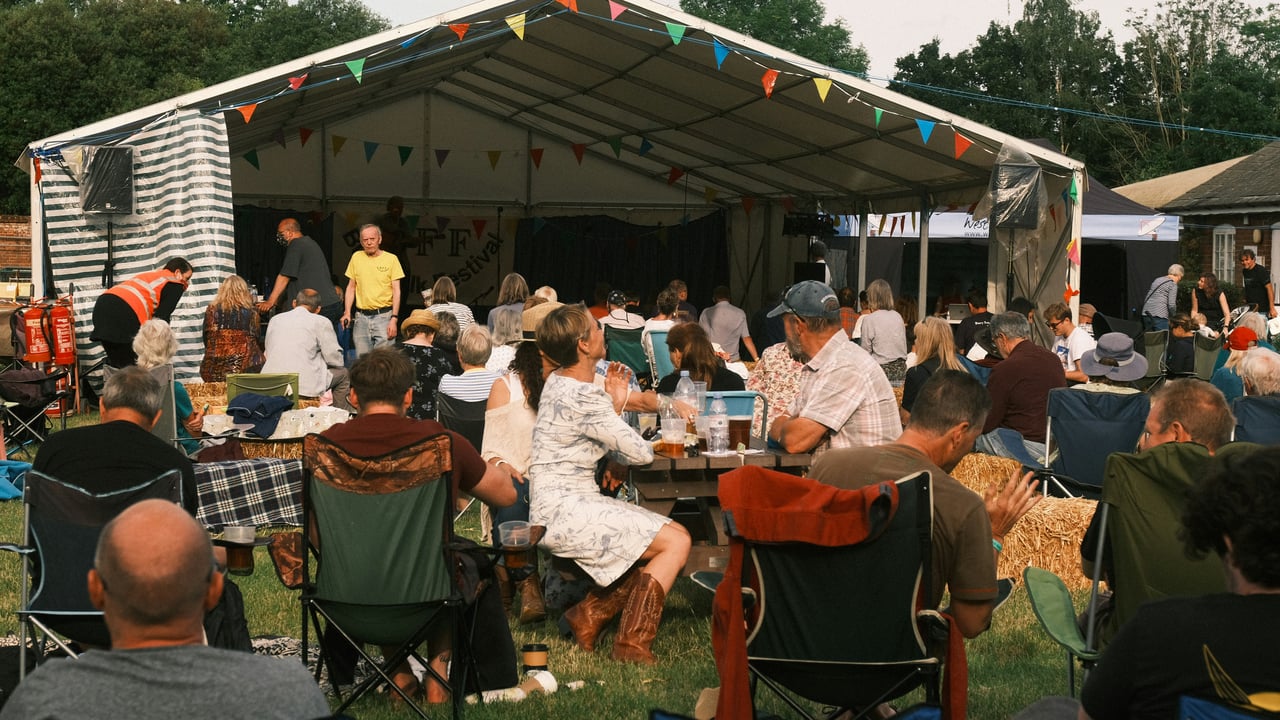
That draw runs on a calendar, and the calendar has a dead season built into it. The First Friday Concert series, presented by The Eulalia Group, only runs five nights a year: May, June, August, September, and October. There's no First Friday in December, January, or February. No Lunch on the Lawn either, since that series only runs the second and fourth Wednesdays of May and June. Farm to Table and Fall Fest are both fall events. In other words, the exact six-week window when Mal's Krazy Krab, The Roe, Campton Restaurant, and The Thirsty Moose all closed was the same six-week window when downtown Monroe's biggest, most reliable foot-traffic generator goes completely dark.
That's not proof that the Town Green calendar caused the closures. Restaurants close for all kinds of reasons that never make it into a press release. But it does mean that any restaurant depending on Town Green spillover to fill tables was operating without a safety net during exactly the weeks those four businesses ran out of runway. Porfirios and Le Gabrielle's expanded location, by contrast, opened and invested during that same dead window and built their customer base on repeat local visits rather than event-night crowds. When the calendar picks back up, they'll benefit from it. They just didn't need it to survive the winter.
For anyone deciding where to spend a Friday night or a Saturday afternoon for the rest of the year, here's what's confirmed on downtown Monroe's schedule:
August's First Friday already came and went on the 7th, with the Kinchafoonee Cowboys bringing their country sound to the Town Green, tables sold out in advance. Every one of these events pulls people through Broad Street and Lumpkin Street on foot, past whichever restaurant has figured out how to catch that walk-by crowd, whether that's a plate of tacos before the show or crepes on a rooftop after.
Underneath all of it, the weekly rhythm that never takes a winter off is the Monroe Market, the Saturday gathering of local farmers, growers, and artisans on Court Street. It's the one piece of downtown's food economy that doesn't wait for a concert series to start. Everything else, the openings, the closures, the reshuffle, moves around that steady weekly pulse.
Four storefronts changed hands in six weeks, and downtown Monroe didn't get quieter. It just changed who was paying attention during the months nobody else was.
Josh Parker has spent his career watching Walton County's small towns rewrite themselves storefront by storefront, and downtown Monroe is no exception. If you're curious how a neighborhood's day-to-day rhythm, from restaurant turnover to Town Green foot traffic, tends to shape what a home in that area is actually worth, reach out to Joshua Parker for a conversation grounded in what's happening on the ground, not just what the portals say.





Let Josh handle the details while you focus on your next move. Call today and make your real estate journey seamless!
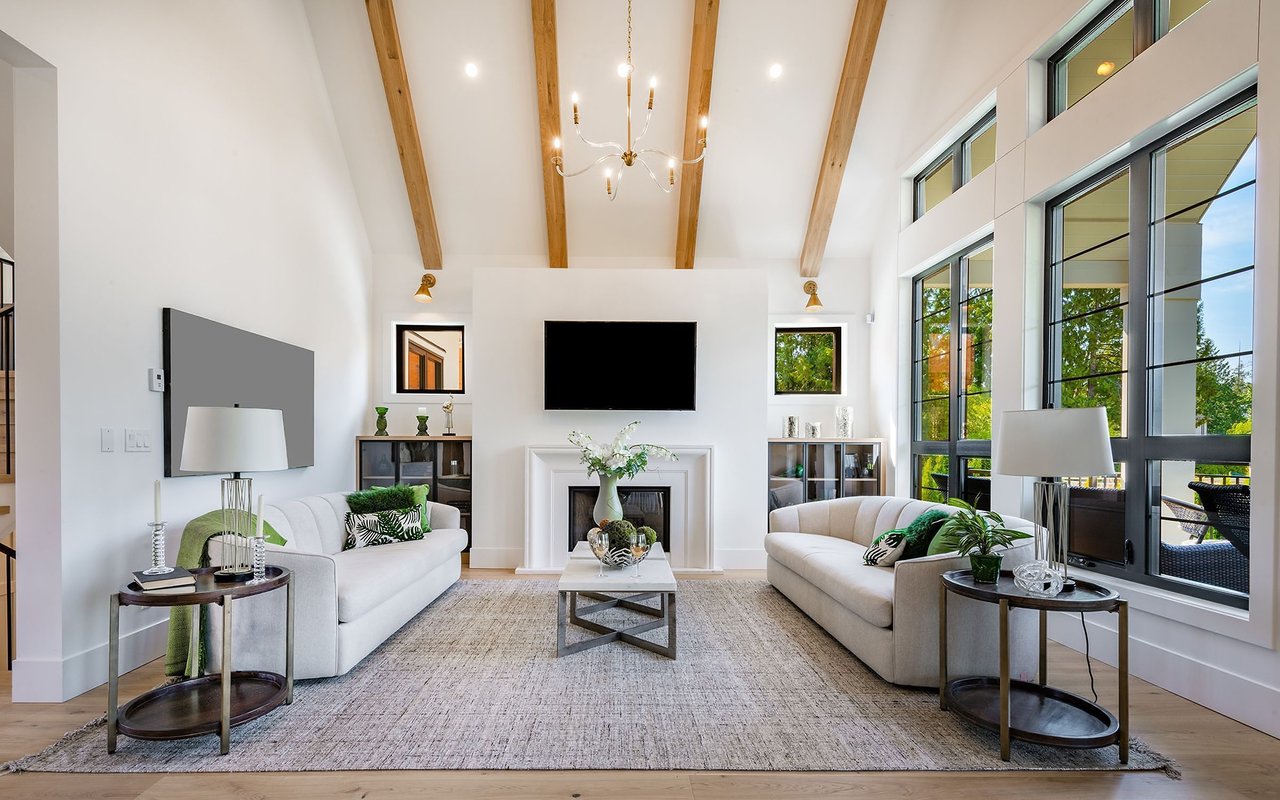
224 N Hammond Dr Monroe GA 30655